
Clarissa and Kilman’s Class Antagonism
Mrs DallowayThis flow follows the conflict between Clarissa Dalloway and Doris Kilman as resentment, religious conviction, maternal jealousy, and brief recognition collide.
increasing Bearing strength in each event
 decreasing
Bearing strength in each eventdecreasingThe Grievance
The Grievance
A remembered injury
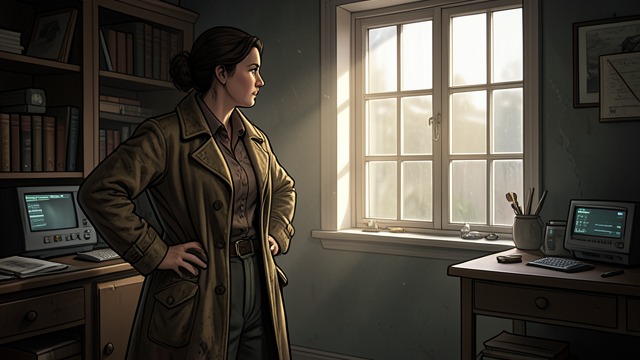
Doris Kilman has been dismissed from teaching during the war because of her German associations and refusal to profess hostility toward Germans. Poverty and exclusion become central to her sense of injustice.
Resentment takes shape
Her work with Elizabeth brings her into Clarissa’s home, where wealth and ease sharpen her anger. Kilman sees class privilege not as a distant idea but as a daily presence.
Clarissa’s Hatred
Clarissa’s Hatred
A personal aversion
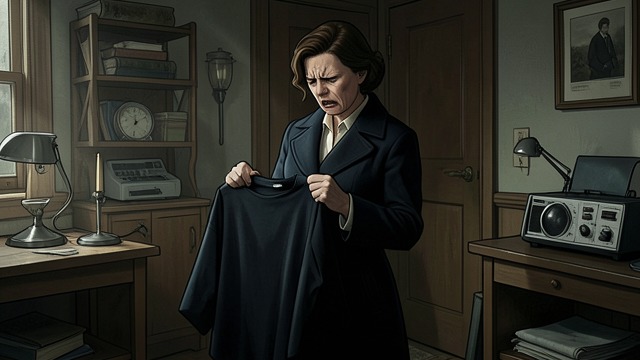
Clarissa thinks of Kilman’s mackintosh, her grievance, and her influence over Elizabeth. She recognizes that she hates an idea as much as a person, but the distinction does not spare her distress.
Fear of possession
Clarissa experiences Kilman as a force threatening her bond with her daughter. The jealousy exposes insecurities that her social poise normally conceals.
The Landing Encounter
The Landing Encounter
Hostility face to face
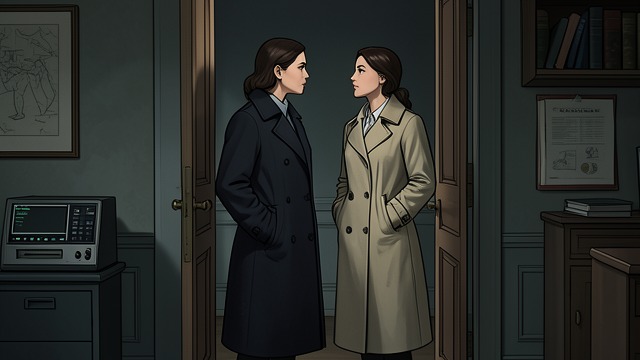
Clarissa meets Kilman while Elizabeth prepares to go out. Their brief exchange is formally civil but charged by their opposing judgments of one another.
The monster diminishes
Once Kilman is no longer directly before her, Clarissa finds that her image of the woman loses some of its power. The change suggests that hatred can enlarge a person into a symbol, then retreat when attention shifts.
Tea and Possessiveness
Tea and Possessiveness
A demand for closeness
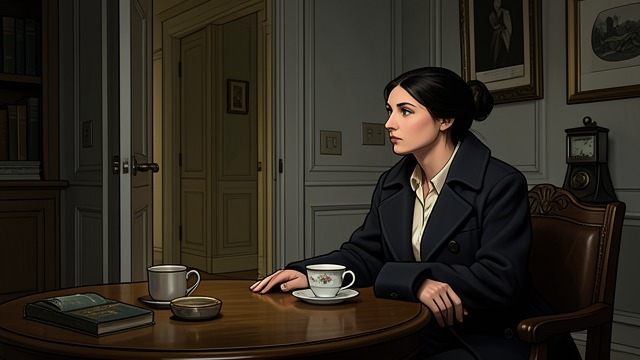
At tea, Kilman wants Elizabeth to stay and not attend her mother’s party. She admits her loneliness and asks not to be forgotten, making affection feel like a claim.
Elizabeth departs
Elizabeth leaves politely, and Kilman feels abandoned. Her attachment is sincere, but its demand for exclusive possession threatens the very freedom she hopes to offer her pupil.
The Unresolved Rivalry
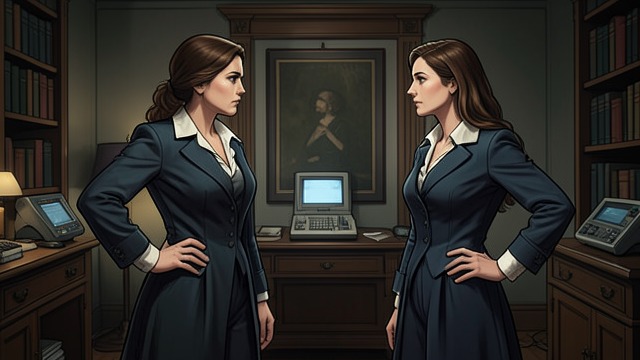
The Unresolved Rivalry
Anger returns
Kilman turns toward religious consolation, while Clarissa continues to interpret her as a threat. Neither woman fully understands how much fear and vulnerability lie beneath the other’s posture.
Conflict without victory
Elizabeth’s departure does not settle her relationship with either woman. The rivalry exposes competing claims over her future rather than producing a clear winner.
Before the day’s encounters
During the morning walk
Early afternoon
Later in the afternoon
After Elizabeth leaves
